
By Aayush Ghume | Travel Writer & Consultant, Uday G’s Tours | 2026 | Reading Time: ~12 min
Quick Answer: Goa beyond the beaches is a rich world of Portuguese heritage villages, ancient Hindu temples, spice plantations, offbeat river islands, and vibrant local food trails waiting to be explored.
Table of Contents
Introduction: Why India’s Party Capital Has a Deeper Soul
When most people hear Goa, they picture sunburnt tourists on Baga Beach, beer in hand. I get it. I was that person once. But after three separate trips to Goa — including one 11-day deep-dive I took while researching itineraries for Uday G’s Tours.
As someone who has spent the better part of four years criss-crossing India — from the monasteries of Ladakh to the backwaters of Alleppey — It surprised me more than almost any other destination. Because underneath the beach shacks and electronic music festivals, there is a 450-year-old Portuguese civilisation, a network of ancient Hindu temples, a spice trade that shaped world history, and river islands so peaceful you’d forget the party crowd exists.
1. Portuguese Heritage & Architecture: Walking Through Living History
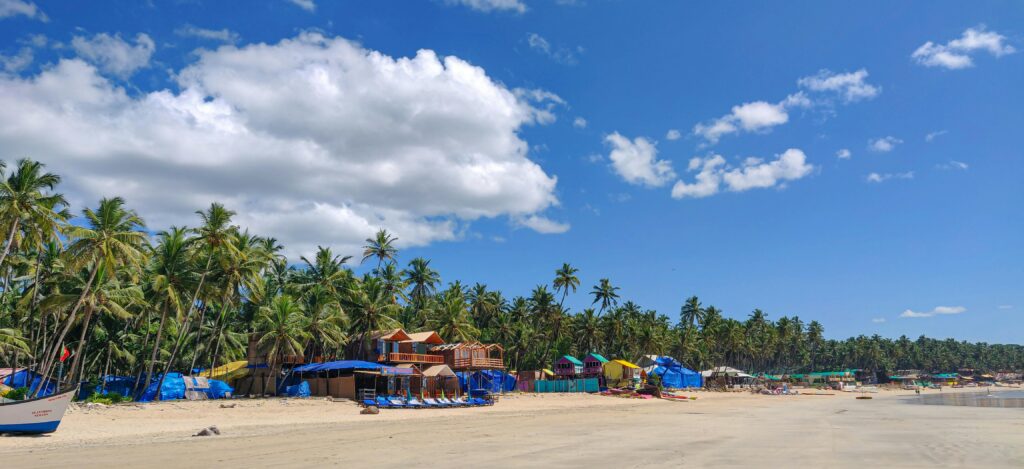
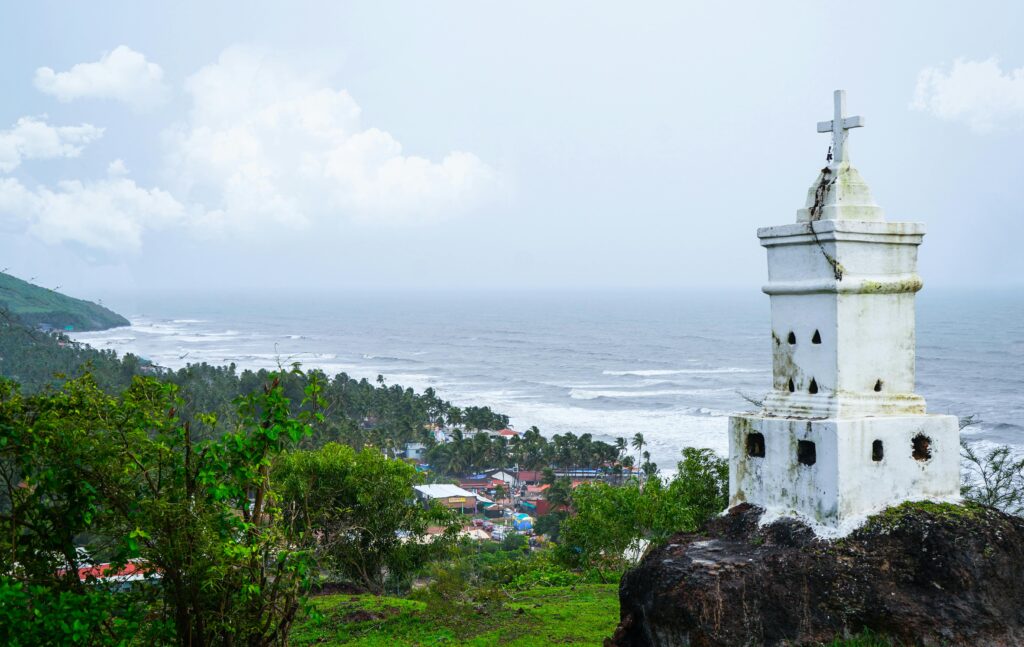
It was under Portuguese rule for 451 years — longer than any other colonial territory in Asia. That history didn’t disappear when it was liberated in 1961. It lives in the cobblestone lanes of Fontainhas, in the crumbling mansions of Chandor, and in the ornate altars of the Basilica of Bom Jesus. These are not museum exhibits — people still live in these structures, bake bread from 400-year-old recipes, and speak a creole dialect called Konkani that carries Portuguese loanwords to this day.
Top Heritage Destinations (with Pros & Cons)
- Fontainhas, Panaji — Latin Quarter
- Pros: Colourful tiled houses, zero tourist crowds, excellent cafes and bakeries. Walking-distance from the capital city. Best visited on a weekday morning.
- Cons: Very small area — can be covered in 2 hours. Not a full-day destination on its own.
- Pros: Home to the Basilica of Bom Jesus and Se Cathedral. The preserved church complex is genuinely stunning. Free entry to most structures.
- Cons: Can get very hot by mid-morning. Vendors outside are aggressive. Go early (before 9 AM) for the best experience.
- Chandor Village — Home of the Braganza House
- Pros: One of the finest examples of Indo-Portuguese architecture in Asia. Still occupied by the Braganza family. An intimate, almost cinematic experience.
- Cons: Located in South interior — requires private transport. Visits are guided by family members, so timing can be unpredictable.
- Divar Island — Quiet River Island
- Pros: Accessible only by ferry (free). Cycling trails, ancient churches, and not a single beach shack in sight. Deeply authentic Goan village life.
- Cons: Ferries stop running by evening. No restaurants beyond basic local dhabas. Requires planning.
2. Ancient Temples & Spiritual Side: The Hindu Soul That Never Left
Here’s something that surprises most visitors: It has more than 300 Hindu temples, many of which predate the Portuguese arrival. When the colonisers arrived and started converting locals, entire communities moved their temple deities into the forests of the Western Ghats to protect them. Some of those temples are still there — and almost no tourist ever finds them.
Must-Visit Temples for Heritage Travellers
- Tambdi Surla Mahadeva Temple — Goa’s Oldest Temple
- Pros: Built in the 12th century by the Kadamba dynasty. Located inside the Bhagwan Mahavir Wildlife Sanctuary. Intricate black basalt carvings. Almost always crowd-free.
- Cons: About 65 km from Panaji — requires a half-day trip. No signboards on the forest road. Hire a local guide or use Google Maps carefully.
- Shri Mangeshi Temple, Ponda — The Most Visited Temple in Goa
- Pros: Stunning architecture with a distinctive lamp tower. Sacred to Goan Hindus. Well-maintained premises with a clear dress code enforced.
- Cons: Very popular — can be crowded on weekends and festival days. Parking is a challenge.
- Shri Shantadurga Temple, Kavlem
- Pros: Dedicated to the goddess who brought peace between Vishnu and Shiva — a fascinating mythological backstory. Beautiful Indo-Portuguese temple architecture.
- Cons: Photography restrictions inside the sanctum. Very touristy on weekends.
3. Spice Plantation Trails: Where the Real Flavour of Goa Grows
Long before it was known for beach parties, it was known for spices. The Portuguese brought chillies, cashews, and pineapples to Goa from South America — and they changed Indian cuisine forever. Today, several working spice estates in Ponda and Sanguem offer immersive plantation tours that are among the most underrated experiences in all of India.
Best Spice Plantation Experiences
- Sahakari Spice Farm, Ponda
- Pros: One of the oldest working spice farms. Tours include pepper, cardamom, nutmeg, vanilla, and turmeric. Ends with a traditional Goan thali lunch that alone is worth the trip. Elephant interaction available.
- Cons: Can feel slightly commercial with large tour groups. Book a morning slot for a quieter experience.
- Tropical Spice Plantation, Keri
- Pros: More intimate than Sahakari. Guided walks explain Ayurvedic uses of plants alongside culinary history. Beautiful forest setting with a stream running through.
- Cons: Limited transport access. Best reached by private vehicle.
4. Goa’s Offbeat Food Trails: Beyond Fish Curry Rice
Goan cuisine is one of the most complex regional food traditions in India — a layered fusion of Konkani Hindu cooking and Portuguese Catholic flavours. Most tourists eat at beach shacks and miss the real thing entirely.
Where to Eat Like a Local
- Mapusa Friday Market — for local produce, Goan sausages and fresh vegetables at real prices
- Joseph Bar, Fontainhas — one of the oldest taverns in Goa. Order the sorpotel and house feni
- Anand Bar & Restaurant, Panaji — legendary for chicken cafreal, a Portuguese-African spiced preparation
- A Pastelaria, Panaji — for bebinca (layered coconut dessert) and serradura (Portuguese sawdust pudding)
- Local Catholic family homestays in Aldona — some offer home dining experiences that simply cannot be replicated in restaurants
Hidden Gems vs Overhyped Places: An Honest Comparison
| Category | Place | Verdict | Reason |
| Hidden Gem | Divar Island | Underrated | A quiet river island with colonial homes, cycling trails and zero tourist crowds |
| Hidden Gem | Fontainhas, Panaji | Underrated | Latin Quarter: tiled Portuguese houses, local art cafes and old-world bakeries |
| Hidden Gem | Tambdi Surla Temple | Underrated | A 12th century Kadamba temple deep in a forest. Most tourists never find it. |
| Hidden Gem | Polem Beach | Underrated | Pristine, quiet and barely commercialised |
| Hidden Gem | Chandor Village | Underrated | Home to 400-year-old Braganza House mansion – one of the best kept secrets |
| Overhyped | Baga Beach | Overhyped | Overcrowded, noisy, overpriced. Better options exist 20 mins away |
| Overhyped | Calangute Market | Overhyped | Mostly mass-produced souvenirs. Local markets in Mapusa offer far more authenticity |
| Overhyped | Dudhsagar Falls (Dec-Jan) | Overhyped (Timing) | Stunning post-monsoon. By December the flow is weak but tour operators still charge peak prices |
Table compiled from personal visits and local insight gathered while building itineraries for Uday G’s Tours (2024–2026)
Practical Travel Tips:
- Best time to visit: October to February for heritage and nature; June to September (monsoon) for spice farms and waterfalls at peak beauty. Avoid May — brutal heat.
- Transport: Rent a scooter (₹300-400/day) or hire a local auto-rickshaw for South Goa. North Goa is taxi territory but apps like Goa Miles are cheaper than negotiated rates.
- Stay: For heritage sites, base yourself in Panaji or Margao rather than the northern beach belt. Closer to temples, markets and colonial architecture.
- Budget: A heritage-focused day in Goa — including transport, meals and entry fees — rarely crosses ₹1,200 for a solo traveller.
- Book guided tours: Soul Travelling Goa (Margao) offers some of the best heritage and food walking tours in the state. Highly recommended for first-timers exploring cultural Goa.
Frequently Asked Questions: Goa Beyond the Beaches
FAQ 1: Is there anything to do in Goa besides beaches?
Absolutely. It has a 450-year-old Portuguese heritage, more than 300 Hindu temples, working spice plantations, river islands, a UNESCO World Heritage church complex, vibrant local markets, and one of India’s most distinctive regional cuisines. The non-beach side is arguably richer than the beach side— it just requires more intention to explore.
FAQ 2: What is the best heritage site to visit?
For sheer historical depth, Old Goa is unmissable — especially the Basilica of Bom Jesus, which holds the remains of St. Francis Xavier. For something truly offbeat, Chandor Village’s Braganza House is a living museum of Indo-Portuguese aristocratic life that very few tourists ever discover.
FAQ 3: Which is the most underrated destination in Goa for 2026?
Divar Island. It is accessible via a free government ferry, has almost no tourist footfall, and offers cycling trails past 16th-century churches and quiet rice fields. It represents the Goa that existed before the charter flights arrived — and it’s just 10 minutes from Panaji.
FAQ 4: Is Goa good for solo travellers who are not into nightlife?
It is one of the best solo travel destinations in India precisely because of its diversity. Cultural solo travellers, food explorers, history enthusiasts and nature lovers will all find South Goa and the Ponda interior deeply rewarding. The solo-friendly hostel scene in Panaji has also grown significantly in 2025-26.
FAQ 5: How many days are enough to see Goa beyond the beaches?
A minimum of 4-5 days is needed to scratch the surface of cultural Goa. Ideally 7-8 days allows you to cover Old Goa’s church complex, Ponda’s temples and spice farms, South Goa’s heritage villages, Fontainhas, and at least one full day on Divar Island. At Uday G’s Tours, our most popular Goa heritage itinerary runs 6 nights.
Final Thoughts: Goa Will Surprise You — If You Let It
I have lost count of the number of travellers who told me it was ‘just a beach destination’ — and then came back from a curated heritage tour completely transformed. That is the real magic of Goa beyond the beaches. It rewards curiosity. It punishes assumptions.
At Uday G’s Tours, we have spent years building itineraries that go beyond the obvious. If you are planning a trip to Goa and want to experience the culture, heritage and flavours that most tourists miss entirely, reach out to us. The Goa we will show you is not on any influencer’s feed — and that is exactly the point.
About the Author
Aayush Ghume is a travel writer and heritage tourism consultant with over 4 years of experience exploring India’s diverse destinations. Currently working with Uday G’s Tours, Aayush specialises in curating authentic, off-the-beaten-path itineraries across India.